One of the first things you need to do after arriving in the Netherlands is register at the Dutch municipality (and you should do that sooner rather than later). It might not be the most exciting thing on your moving checklist, but it’s surely the most important one. Everything else (working, banking, healthcare in the Netherlands) depends on it.
Why registering at the Dutch municipality matters
When you register at the Dutch municipality (known as the Gemeente), you’ll receive your BSN – your Burgerservicenummer. Think of it as your personal identification number for life in the Netherlands.
Without a BSN you basically can’t do anything you need daily. You can’t officially start working, open a Dutch bank account, take out health insurance, or properly access healthcare. Even simple things like setting up utilities can become complicated without it. So as time consuming as it sounds, this is one of the first things to sort out when you arrive.
When do you need to register?
You’re expected to register within 5 days of moving into your new address in the Netherlands. Might feel like a tight window when you’re still unpacking and figuring out where the nearest supermarket is, so it really helps to book your appointment as early as possible (ideally before you even arrive).
One thing many expats underestimate is how busy Dutch municipalities can get. In bigger cities like Amsterdam, Rotterdam, and Utrecht, appointment slots can be booked out for weeks. As soon as you have a confirmed address, secure a slot. Don’t wait for too long!
Where do you register?
You register at the municipality where you’re actually living, not where you work or where your employer is based. So if you’re living in The Hague but working in Amsterdam, you register in The Hague.
Every municipality handles registrations locally, but the process is mostly the same across the country. You’ll need to show up in person for your first registration (you can’t do that online).
Need more information? Learn more on the BRP registration instructions.
What to bring to your appointment
Show up unprepared and you’ll be rescheduling, which means more waiting. Make sure you have:
- A valid passport or EU ID card
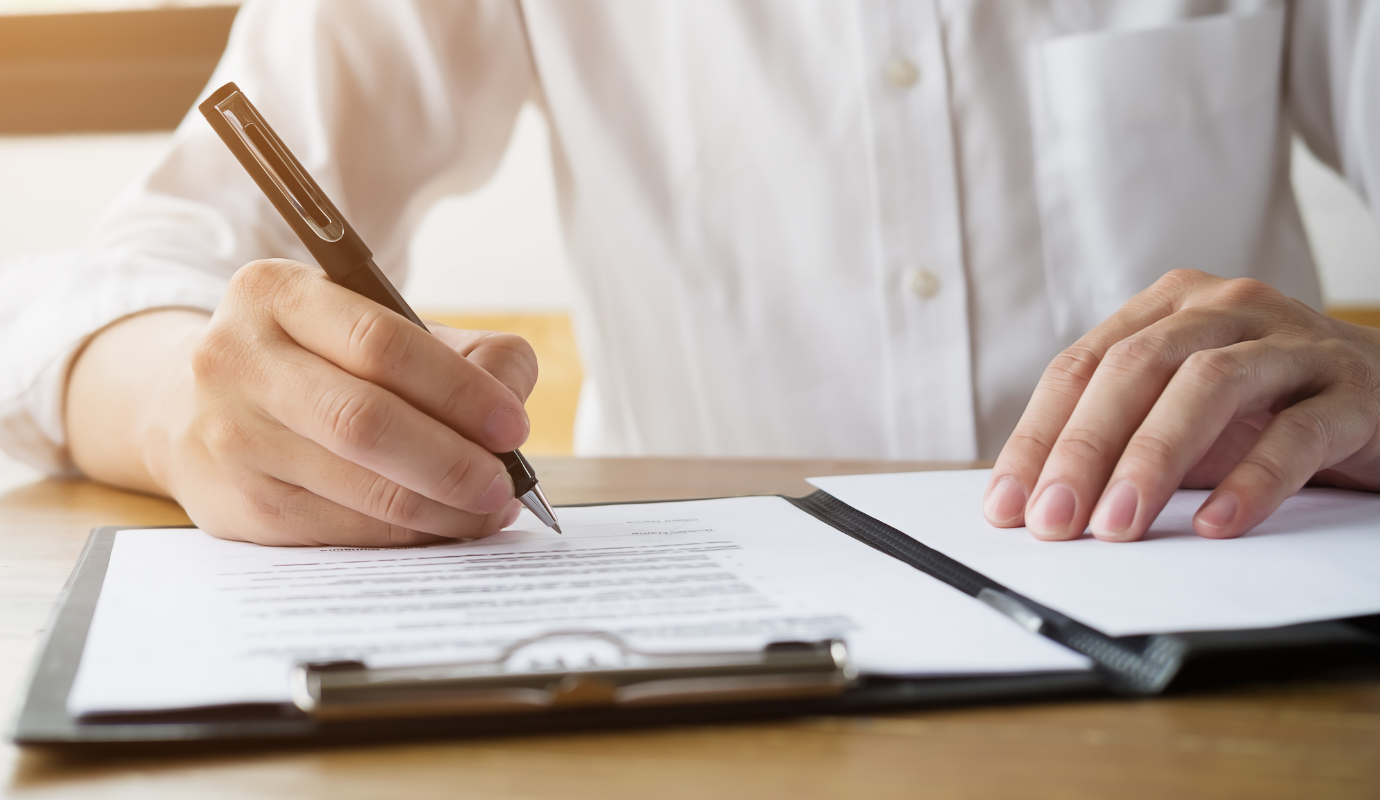
- Proof of address – your rental contract or a signed statement from your landlord confirming you live there
- Your birth certificate – this sometimes needs to be legalised or apostilled depending on which country it was issued in
Requirements can differ slightly between municipalities, so always double-check on your local gemeente’s website before your appointment!
What happens after you register?
After your appointment, your registration gets processed and your BSN is issued. In most cases this happens within a few days, though it can sometimes take a little longer depending on your municipality and your personal situation.
Once you have your BSN, you can open a bank account, arrange health insurance, and officially start working.
Keep in mind that if you move to a different municipality later on, you’ll need to update your registration there too. It’s a simple process but easy to forget when you’re in the middle of a move.
A note for non-EU citizens
If you’re moving to the Netherlands from outside the EU, the registration process is kind of the same, but you’ll also need to have the right visa or residence permit in place before you can register. Make sure your immigration paperwork is sorted before your municipality appointment so there are no delays.
Some common mistakes to watch out for
Beyond the documents, there are a couple of practical things worth knowing: If you’re staying temporarily before finding a permanent place – for example in a short-stay apartment or with a friend – you may still be able to register, but you’ll need written permission from the person whose address you’re using. This is called a written declaration of consent and the gemeente will ask for it.
Also, if you’re arriving as part of a family or with a partner, each person needs to register individually. You can’t register on behalf of someone else.
What’s next after registration?
Once your BSN is sorted, the next step is usually finding a job and getting familiar with how things work in a Dutch workplace. If you’re curious about what to expect from Dutch work culture, we cover that in our next blog.
Want to read more?
For more resources and insights, visit our blog. You can also follow us on Facebook, Instagram, and LinkedIn to stay informed on everything we share.