Before you ever sit down with a company, there’s usually an earlier conversation: the intake interview with your recruiter. It’s the first real step in the process.
If you’ve never had one, it can feel a bit unclear what it’s actually for. So here’s what an intake interview is, what to expect, and how to prepare for it.
What is an intake interview
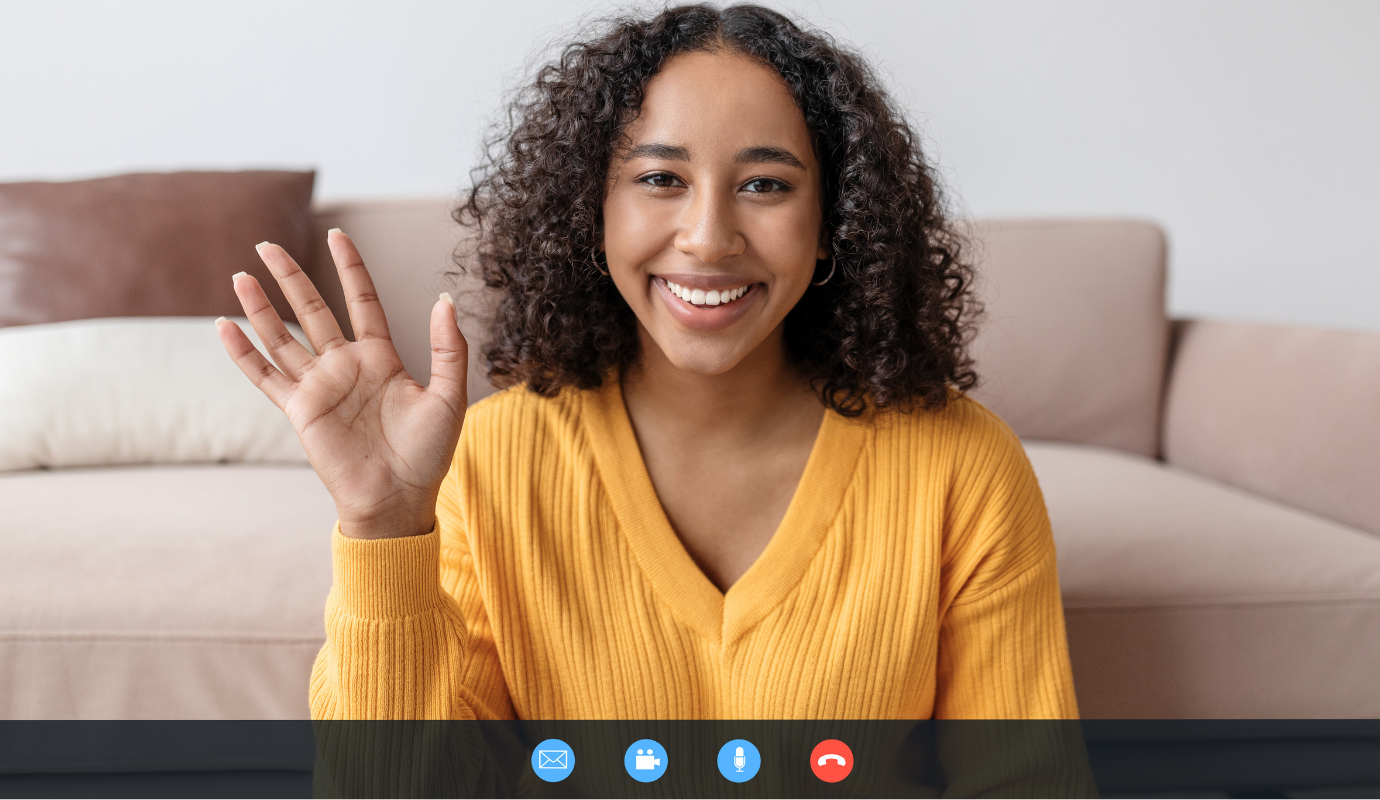
An intake interview is a short, fairly informal conversation between you and your recruiter, usually the first proper contact after you apply. It typically lasts 20 to 30 minutes.
It can go one of two ways. Sometimes it’s a general conversation to get to know you and what you’re looking for, and sometimes it’s specific to a role you’ve already applied for. Either way, the goal is for the recruiter to understand three things: what’s motivating you, what previous experience you have gained, and to get a glimpse of your soft skills. You also get the opportunity to ask questions about the job, so think of it as both sides getting to know each other.
How it usually works
Most intake interviews follow a similar shape. The recruiter introduces themselves and the company. From there, they’ll ask about you, what you are looking for and more detailed questions about your work experience and possibly your education. The recruiter normally has your CV and might ask you to elaborate more on your experience and responsibility in certain jobs, reasons for leaving, skills gained and explain gaps in your CV.
You’ll get the chance to ask your own questions too, so it’s worth coming with a few ready. By the end, the recruiter should have a good sense of whether you fit the role and whether you’d thrive in the company’s culture.
The questions to prepare for
The intake is short, but it’s still worth preparing for. These are the questions that come up most often, so it’s worth having an answer ready for each.
“Tell me about your work experience.” A good approach is to work from general to specific: start with your background, then focus in on the experience most relevant to the role you’re after.
“What kind of role are you looking for?” This helps the recruiter understand what you’re after, and whether the roles they have, this one or others, are a good match for you.
“How do you understand this role?” Explain the job in your own words rather than repeating the advert back. It’s also your chance to link the role to relevant experience you’ve had.
“Why are you looking for a new job?” This is really about what you’re looking for next, more responsibility, a different environment, a new challenge. Answering honestly helps the recruiter understand what would be a step up for you.
“Why the Netherlands?” If you haven’t moved yet, this one matters. Recruiters won’t put you forward if your plans to relocate seem vague, so be specific: when you plan to move, where you’re thinking of living, whether you’ve been here before, and whether you have any connections already.
“What languages do you speak?” Since Abroad Experience specialises in multilingual roles, it helps to describe your level using the CEFR scale (A1 to C2), so your ability is represented accurately to clients.
“What are your salary expectations?” Recruiters ask this to get a sense of whether your expectations line up with what the role offers.
A few things that always help
Whatever comes up, a handful of principles will carry you through any intake interview:
Be yourself and be honest, because saying what you think they want to hear only lands you somewhere you won’t be happy. Back up your answers with real examples rather than adjectives (“I rebranded our social media in 2020” beats “I’m creative”). And come with a few questions of your own, which is one of the easiest ways to show you’re engaged.
What comes next
The intake interview is just the first step. Once you’re through it and put forward to a company, the next stage is the interview with the employer itself, which is a different challenge with its own things to prepare for.
Want to read more?
For more resources and insights, visit our blog. You can also follow us on Facebook, Instagram, and LinkedIn to stay informed on everything we share.